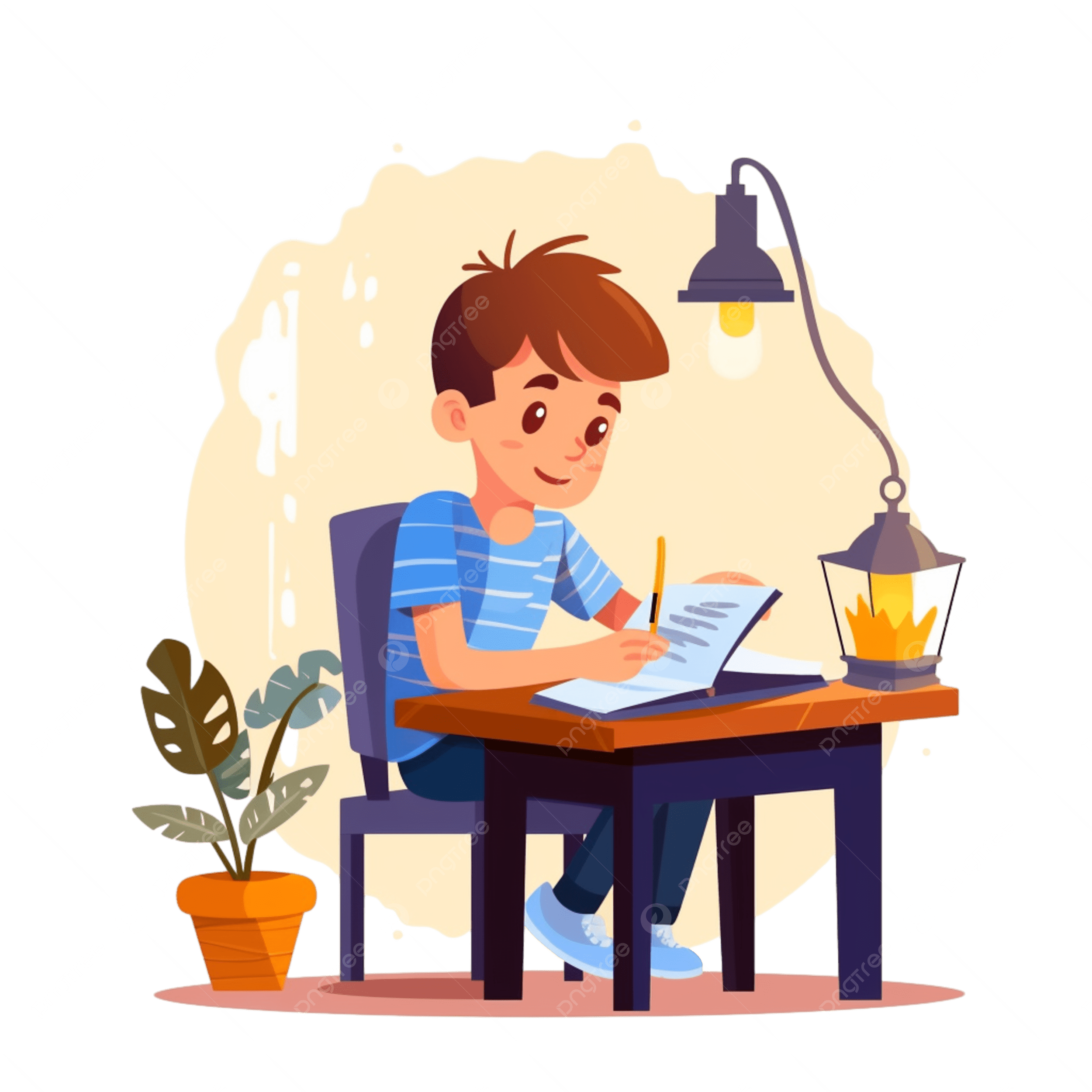

?? Finland — Learning Without Fear In Finland, schools believe that happy children learn better than stressed children. Scientists and teachers noticed that too much homework and testing were making students tired and anxious. So Finnish schools changed their system. Younger students get very little homework, shorter school days, and plenty of outdoor playtime. …
?? Finland — Learning Without Fear
In Finland, schools believe that happy children learn better than stressed children. Scientists and teachers noticed that too much homework and testing were making students tired and anxious. So Finnish schools changed their system. Younger students get very little homework, shorter school days, and plenty of outdoor playtime. Teachers focus more on understanding ideas instead of memorising long answers. There are fewer exams, and students are not constantly compared with each other.
Because children feel relaxed, they ask more questions and enjoy learning. Surprisingly, even with fewer tests, Finnish students perform very well in international studies. Experts say the brain learns best when it feels safe and curious, not scared.
What children can learn from Finland:
Take breaks, play outside, and remember — learning is not a race. When your mind feels calm, it becomes stronger and smarter.
?? Japan — Calm Minds, Strong Focus
Japanese schools teach students that a peaceful mind helps learning. Instead of rushing all day, many schools include quiet reflection time. Students sit silently for a few minutes, breathe slowly, and prepare their minds before lessons or exams. Another special habit is classroom cleaning. Students clean their own classrooms together every day.
This activity is not punishment — it teaches responsibility, teamwork, and mindfulness. Moving slowly and working together helps children relax and feel connected. Teachers noticed that students become more focused and less anxious during exams because their daily routine already trains them to stay calm.
Japanese education shows that discipline does not mean pressure. It means balance and respect for yourself and others.
What children can learn from Japan:
A few minutes of quiet breathing or organising your study space can make your brain calm and ready to learn.
?? United Kingdom — Talking Helps the Brain
In the United Kingdom, schools realised that many students were silently struggling with stress and anxiety. So they introduced mental-health support inside schools. Many schools now have counsellors and special “wellbeing rooms.” These are quiet spaces where students can relax, talk, or take short breaks if they feel overwhelmed.
Teachers encourage children to share worries instead of hiding them. Students learn that feeling nervous before exams is normal. Talking about problems helps the brain feel lighter and think clearly again. Research showed that students who speak to trusted adults feel more confident and perform better academically.
The biggest lesson from the UK is simple: emotions matter in education. A child who feels heard learns better than a child who feels pressured.
What children can learn from the UK:
If exams feel heavy, talk to someone you trust. Sharing worries makes them smaller.
?? Singapore — Success Beyond Marks
Singapore once had a very competitive school system where students were ranked and compared constantly. Over time, educators noticed that this created too much stress. So the country began changing its approach. Many schools stopped announcing class rankings and reduced focus on “topper culture.” Teachers now encourage creativity, teamwork, and problem-solving skills instead of only exam scores.
Students are taught that learning is about growth, not just being number one. Without constant comparison, children feel more confident to try new things and make mistakes. Experts found that when fear of failure reduces, curiosity increases — and curiosity helps learning last longer.
Singapore’s new system shows that success has many forms, not just marks on a report card.
What children can learn from Singapore:
Your progress matters more than your position. Compete with yesterday’s you, not your classmates.
?? Australia — Learning How to Handle Stress
Australian schools believe children should learn how to manage emotions just like they learn maths or science. Many schools now include wellbeing lessons where students practise breathing exercises, mindfulness, and ways to handle exam pressure. Teachers guide students on how to recognise stress signals — like fast heartbeat, worry, or frustration — and how to calm themselves.
Activities may include stretching, gratitude exercises, or short relaxation breaks during study time. Researchers found that students who learn these skills feel more confident during exams and presentations. Instead of panic, they know how to slow down and refocus.
Australia teaches that stress management is a life skill that helps not only in exams but throughout life.
What children can learn from Australia:
Taking slow breaths, stretching, or pausing for a minute can reset your brain and help you perform.
PS This is generally wht is written about students and stress in these countries The ground realty may bot be exact
Join the Club
Like this story? You’ll love our monthly newsletter.